The Short Unhappy Life of a New Horned-Dinosaur
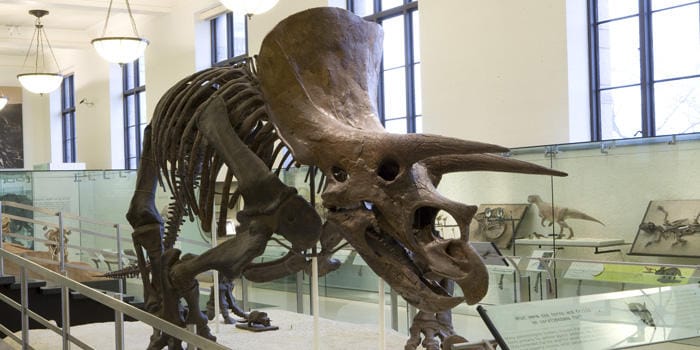
In May (2016), two new horned dinosaurs were discovered, and today we will talk about one of them. Horned dinosaurs, like Triceratops and its relatives, are called ceratopsians (meaning “horned faced dinosaur”) and are divided into two groups: Chasmosaurines and Centrosaurines. Chasmosaurines have short nose horns, long eyebrow horns, and a long but less decorated frill. Triceratops is a chasmosaurine.
Centrosaurines have large nose horns, short eyebrow horns, and a smaller but more decorated frill.
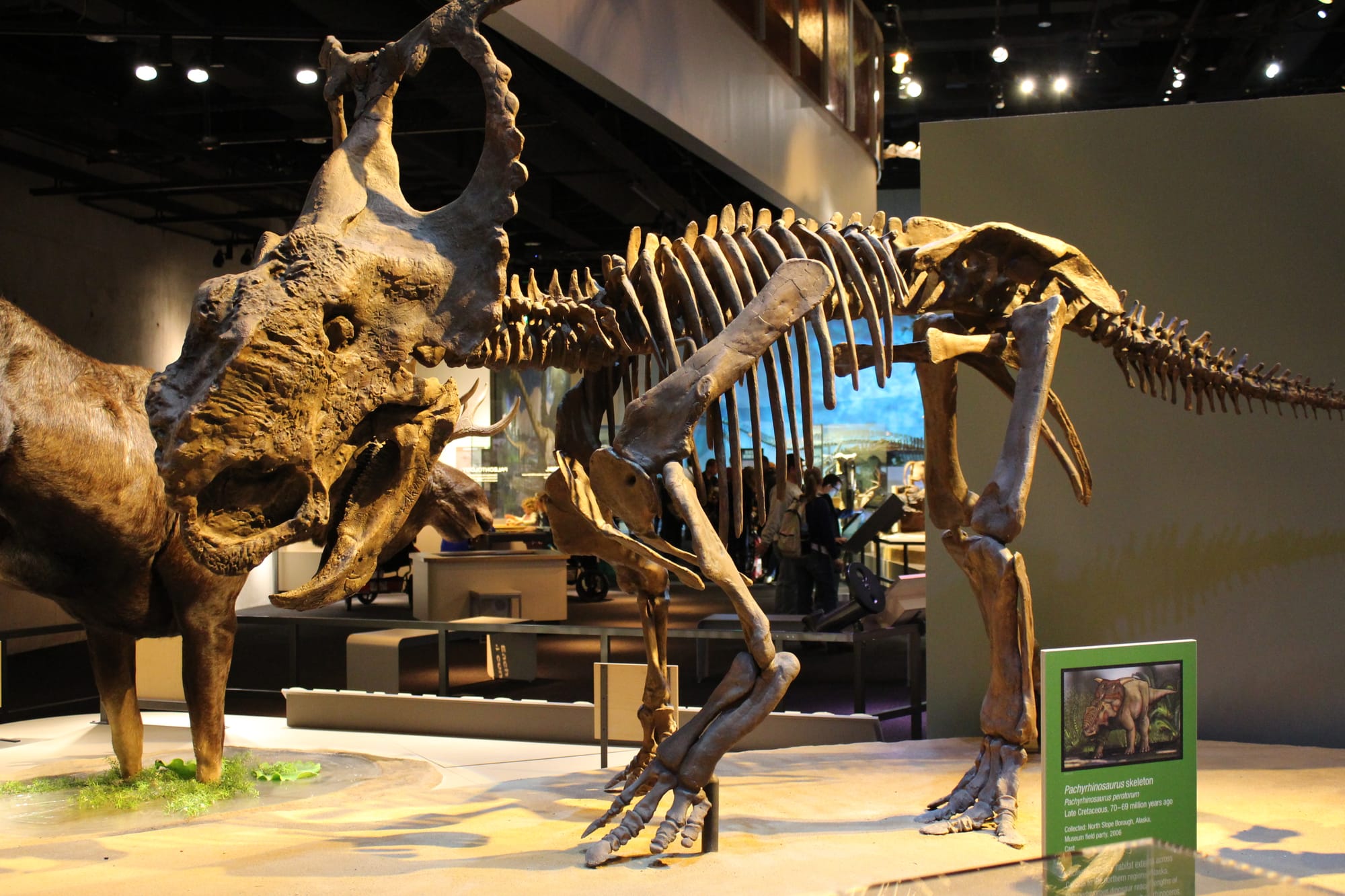
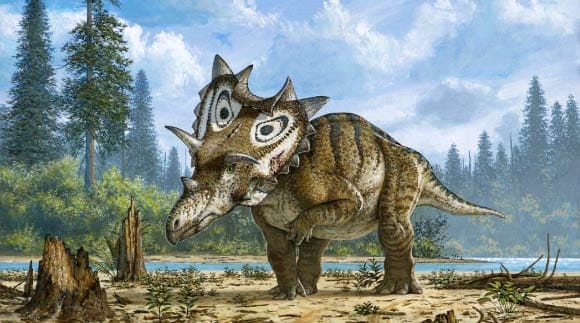
This week, an article was published that described a new centrosaurine from Montana, USA. This new dinosaur is named Spiclypeus shipporum (Spiclypeus meaning “spike shield” for how the frill looks, and shipporum in honor of the Ship family).
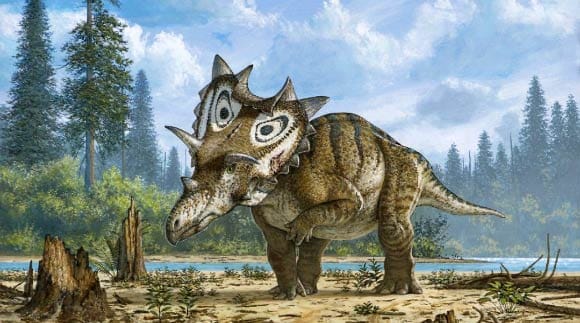
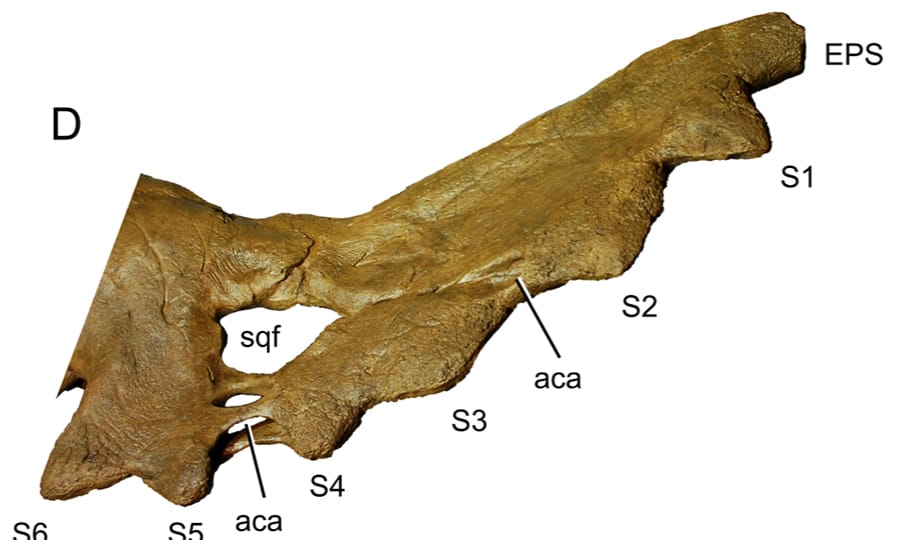
Spiclypeus is a striking new centrosaurine, but its bones also tell an interesting and sad story. Much like the Dilophosaurus we talked about a few weeks ago, this Spiclypeus shows signs of having multiple diseases during its life. Even though it is impossible to say for sure what happened, the authors think that while this Spiclypeus was fighting with another individual, it was sharply poked with its opponent’s horn, leaving an open wound in its frill. This wound became infected and led to the formation of a different type of bone.
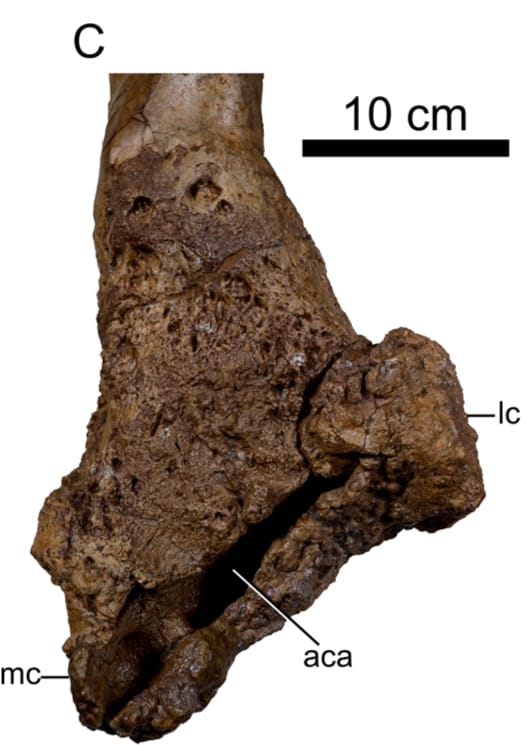
This Spiclypeus also shows signs of a long-term infection in its humerus (upper arm bone) that would have made walking very painful.
This dinosaur would have been 7–10 years old when it died. So even though it was probably an adult when it died, Spiclypeus would have had a short, unhappy life.

Comments ()