The Mystery of the Upside-down Ankylosaurs
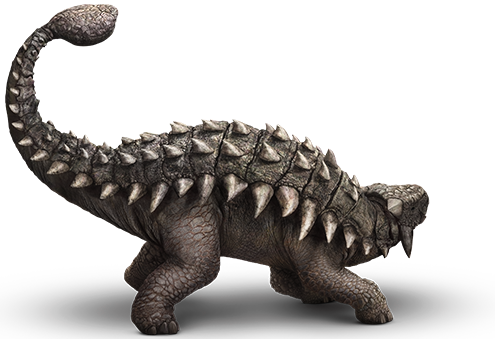
Many ankylosaurs, the armored dinosaurs, have been found upside down when they’ve been discovered, especially when they’ve been found in river beds or marine sediments. Researchers have had different ideas as to why this might be the case.
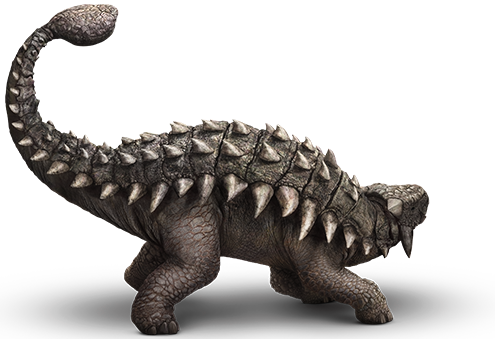
A new study tested several hypotheses to figure out which is the most likely explanation for the upside-down fossils. The authors tested four hypotheses. The first was that ankylosaurs were just clumsy and would fall down hills and land upside down. This idea is hard to test and seems unlikely, so the authors moved on.
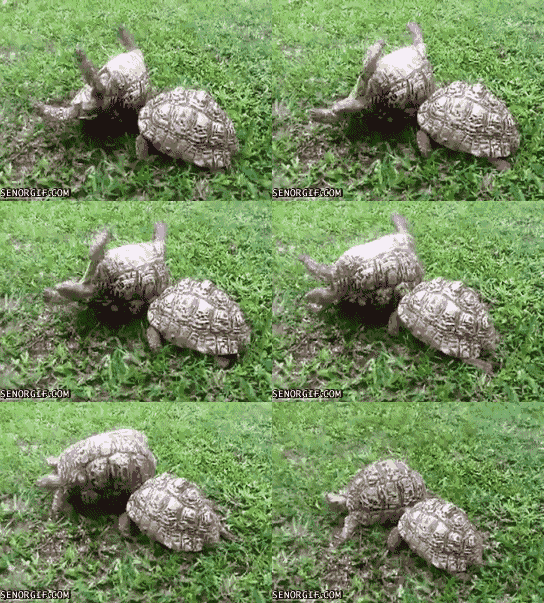
The second hypothesis was that predators would flip the ankylosaurs over and eat them, leaving the remains to be preserved upside down. The authors examined 36 ankylosaur specimens and only found one with any tooth marks on it. They rejected this hypothesis, since it did not seem that the upside-down ankylosaurs had been eaten.
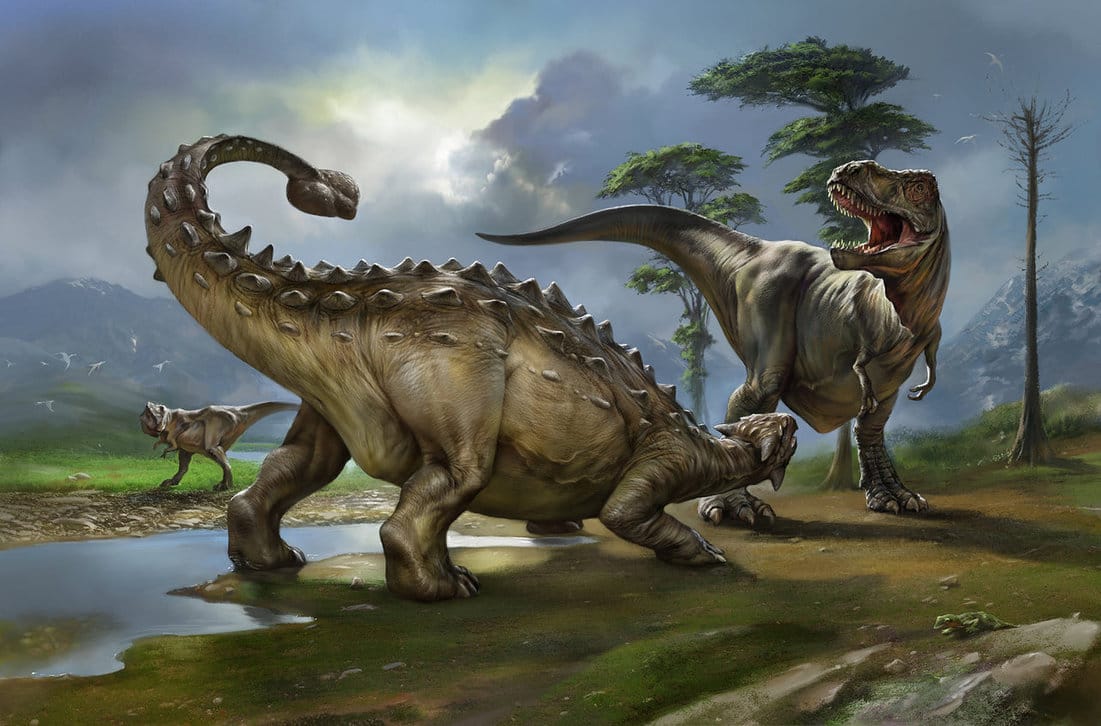
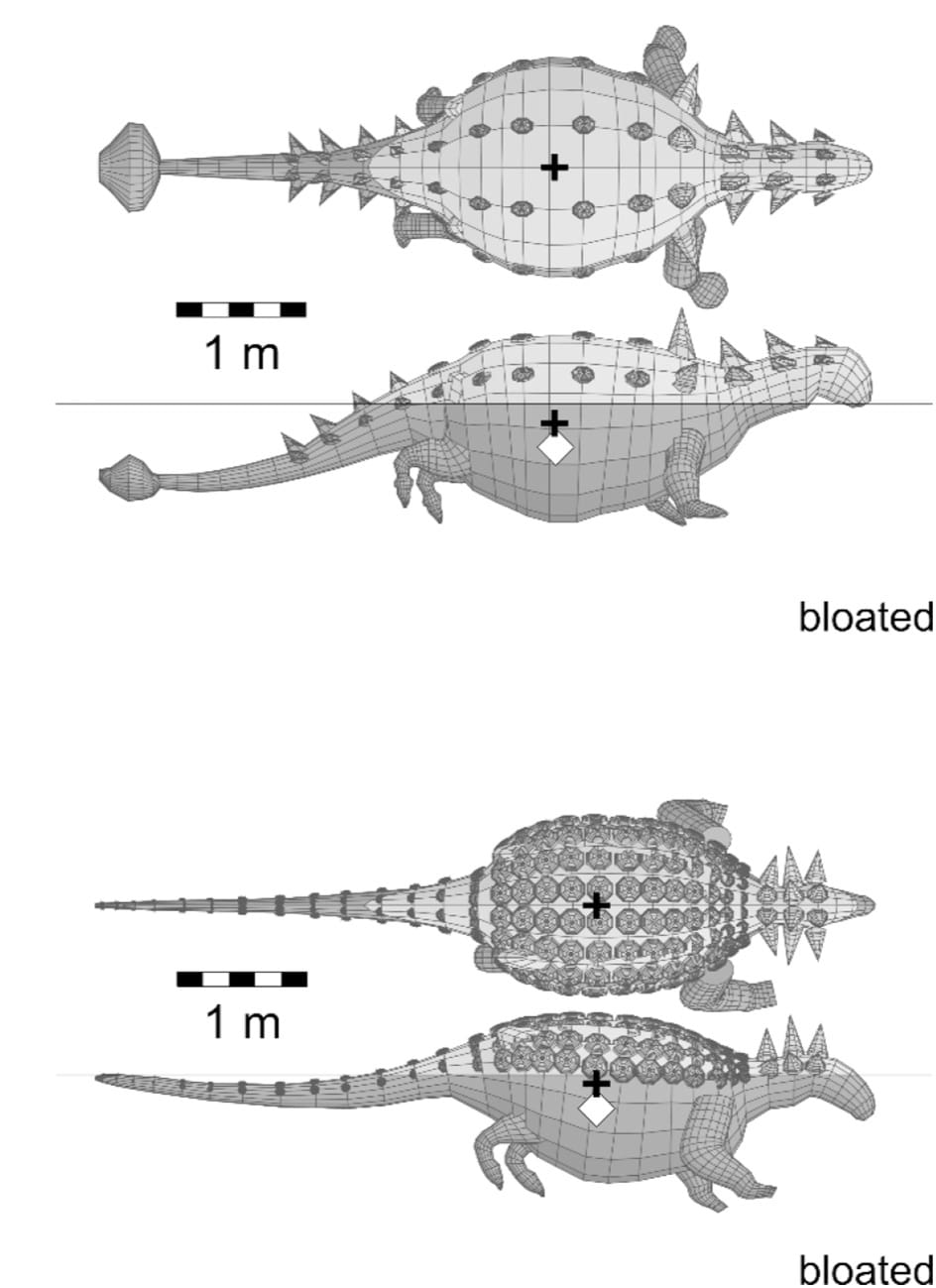
The third hypothesis was that dead ankylosaurs would wash into a river. Once there, they would start to decompose. The process of decomposition releases a lot of gas, which gets trapped inside the body of the animal, causing it to float. The armor on the back of an ankylosaur would weigh more than the gas-filled belly, and the whole dinosaur would flip upside down. Eventually it would settle to the bottom and be preserved that way. To test this, the authors created computer models of a bloated ankylosaur and a bloated nodosaur (an ankylosaur with no tail club). They found that the nodosaur would tip very easily and would flip over more readily. The ankylosaur had a more difficult time flipping over.
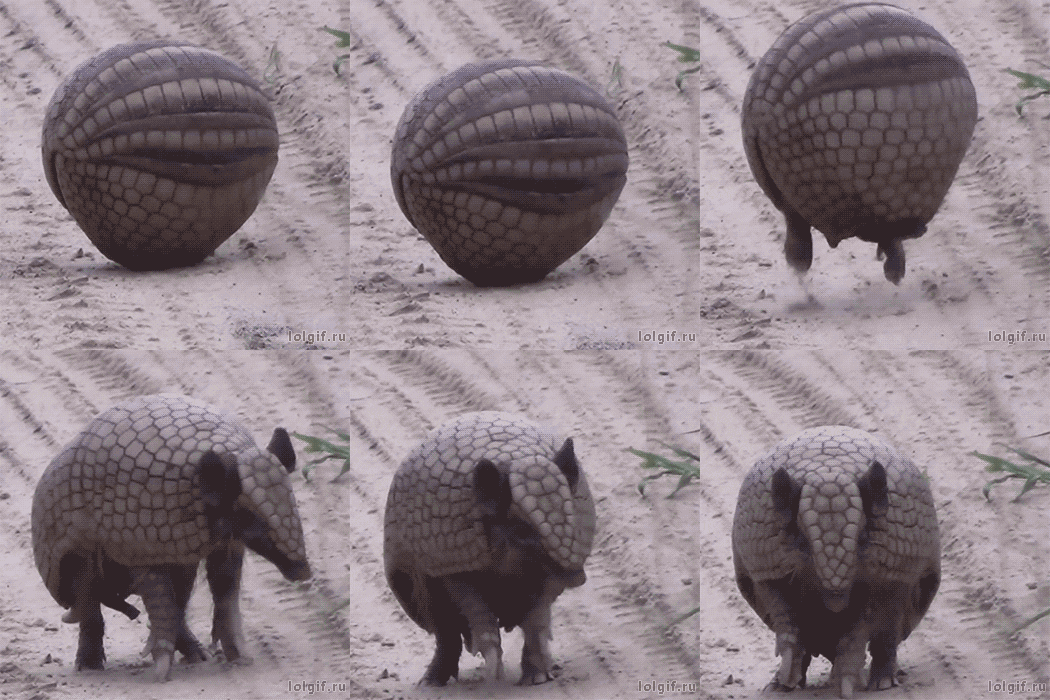
The last hypothesis was that ankylosaurs would roll over as they decomposed on land. The authors tested this by examining road-kill armadillos and by observing 22 armadillos decompose in a more controlled setting. They did not find support for this hypothesis, as the armadillos were equally likely to be found on their sides, stomachs, and backs.
The authors concluded that the most likely scenario is that ankylosaurs were washed into a stream or into the ocean, bloated from decomposition, and rolled over as they floated along. Once the gases escaped, they sank to the bottom and were fossilized. This study tested a long-standing idea that had never been directly examined. As a result, we now have a better understanding of how ankylosaurs were preserved and a bit more insight into their biology.


Comments ()