Opal, Ornithopods, and Australia
In early June, a discovery was published that made me say “Oh, cool!” out loud. To be fair, a lot of things do—but this one was unusual.
In New South Wales, Australia, the bones of a new species of ornithopod (duck-billed) dinosaur were unearthed in an opal mine.
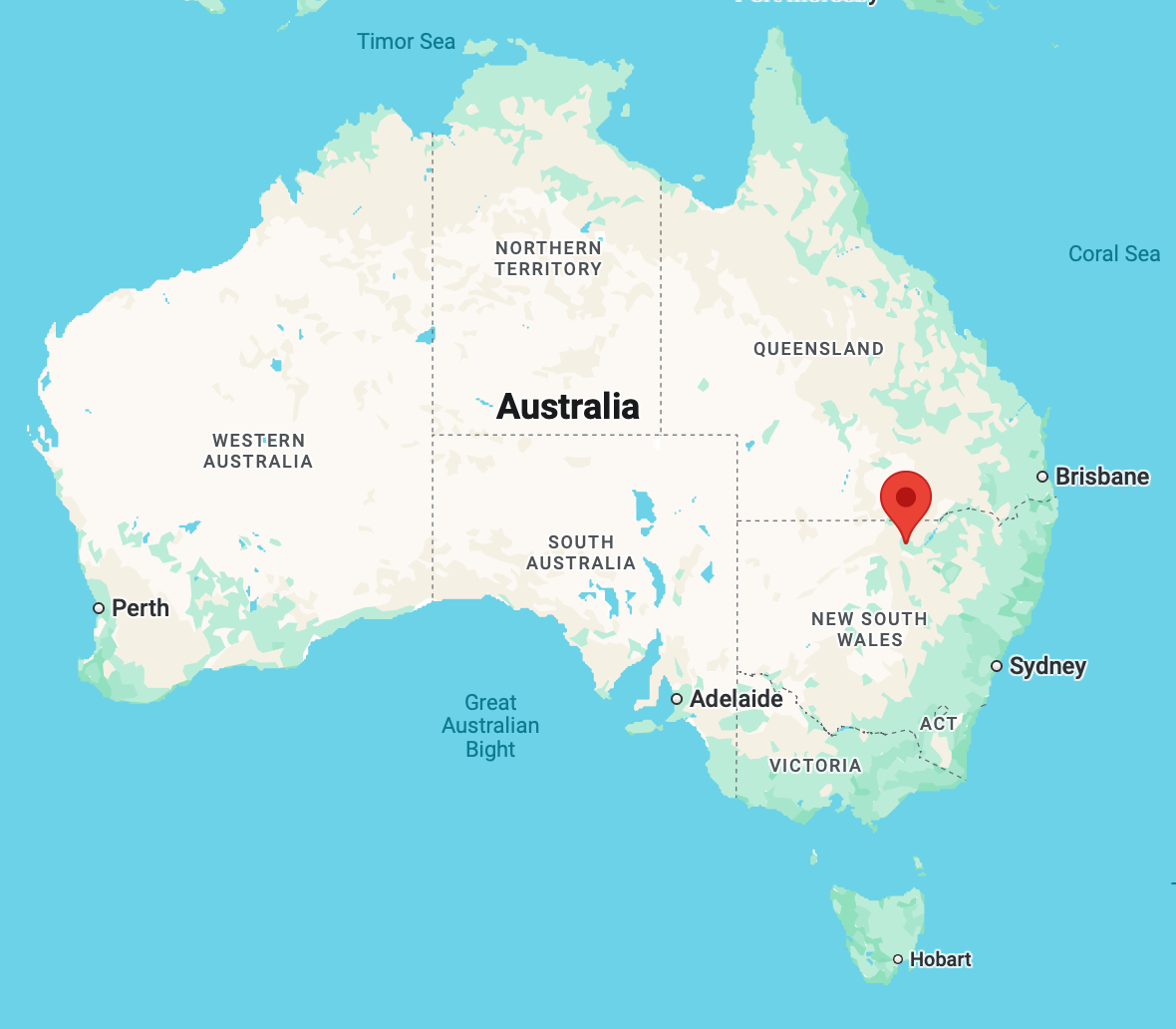
The dinosaur is now called Fostoria dhimbangunmal (pronounced: fos-TO-ria dim-ban-GOON-mal), named after Robert Foster, who discovered the bone bed, and after the words for “sheep yard” referencing the Sheepyard opal fields where the fossils were found. The words for sheep yard come from the language of the Yuwaalaraay, Yuwaalayaay, and Gamilaraay peoples, who are Indigenous peoples of Australia.
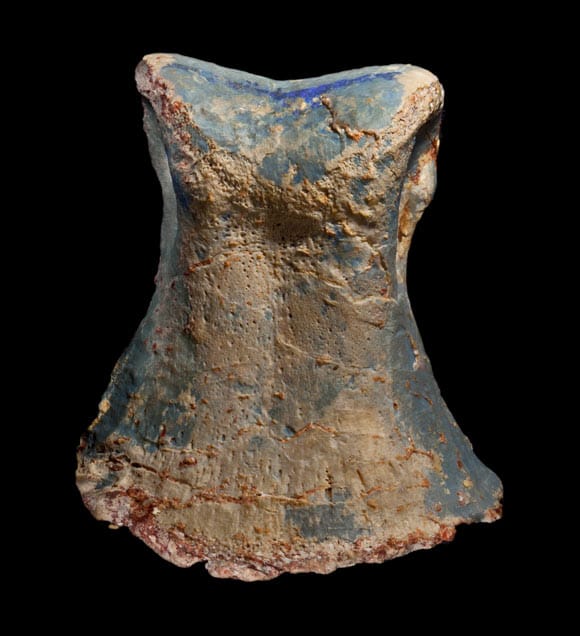
Australia does not have an extensive dinosaur fossil record, so the discovery of Fostoria helps fill in gaps about what the continent was like during the Mesozoic. The description of the new dinosaur is based on potentially four individuals. The team found four shoulder blades—three of which were right shoulders—indicating that at least three separate animals were present. In addition to the shoulder blades, they uncovered many bones from the arms, legs, vertebral column, and skull.
And here’s the part that stood out: the bones are preserved in opal. Opal is best known as a gemstone and is the national gemstone of Australia. In these fossils, it appears as a translucent shade of blue, though opal can occur in many colors.
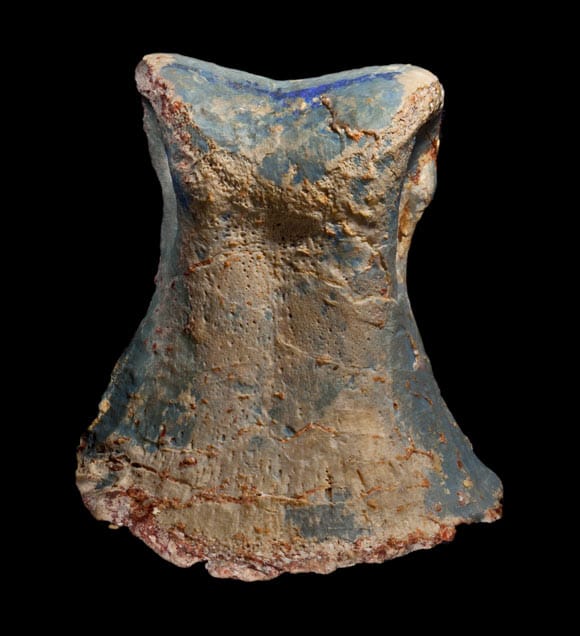
The bones vary in size, representing animals of different ages that were living together. This marks the first discovery of a dinosaur herd from Australia—and preserved in opal, no less.

Comments ()