Cheetahs, Ears, and High-Speed Chases
I’m back! I spent the last two weeks of December and a lot of January finishing and sending out She Found Fossils, the book about women in paleontology that Abby West, Amy Gardiner, and I wrote. I also went to the annual Society of Integrative and Comparative Biology conference in San Francisco and learned a lot. Now, hopefully I can get back to a once-a-week schedule for this blog.
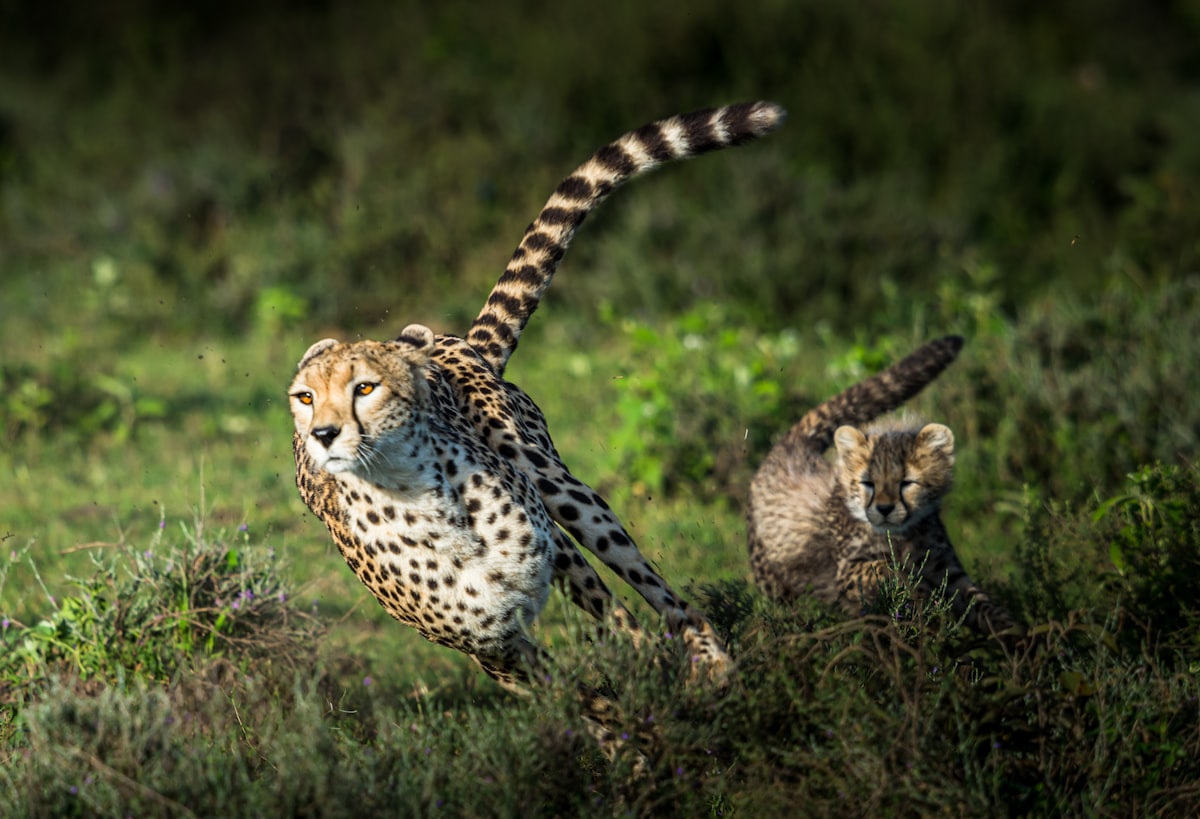
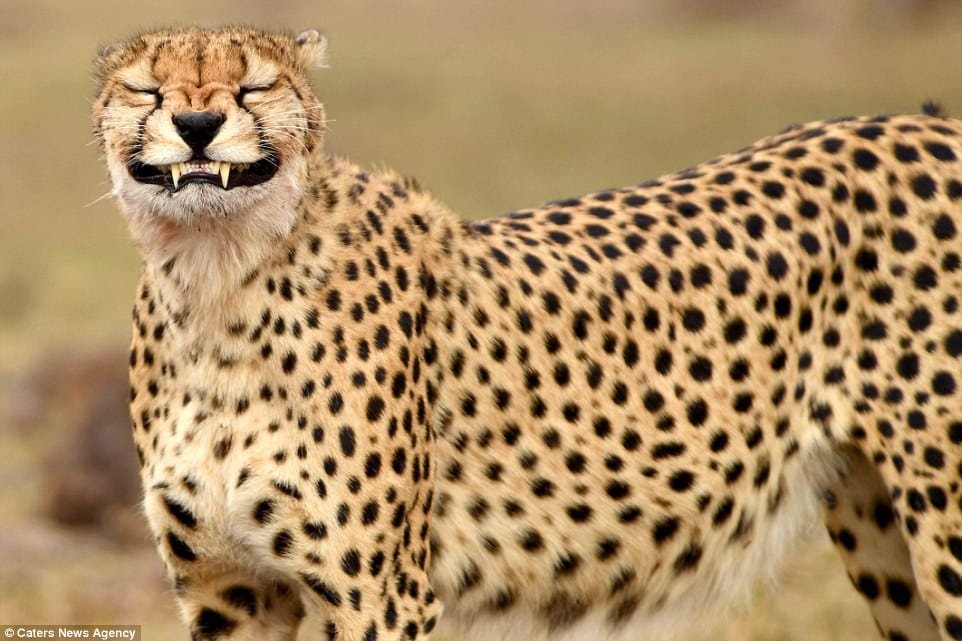
Last week, a paper was published that looked at the ears of cheetahs and their cat relatives. Cheetahs are the fastest land animal alive today. They have spots, facial stripes, and little manes when they’re babies.
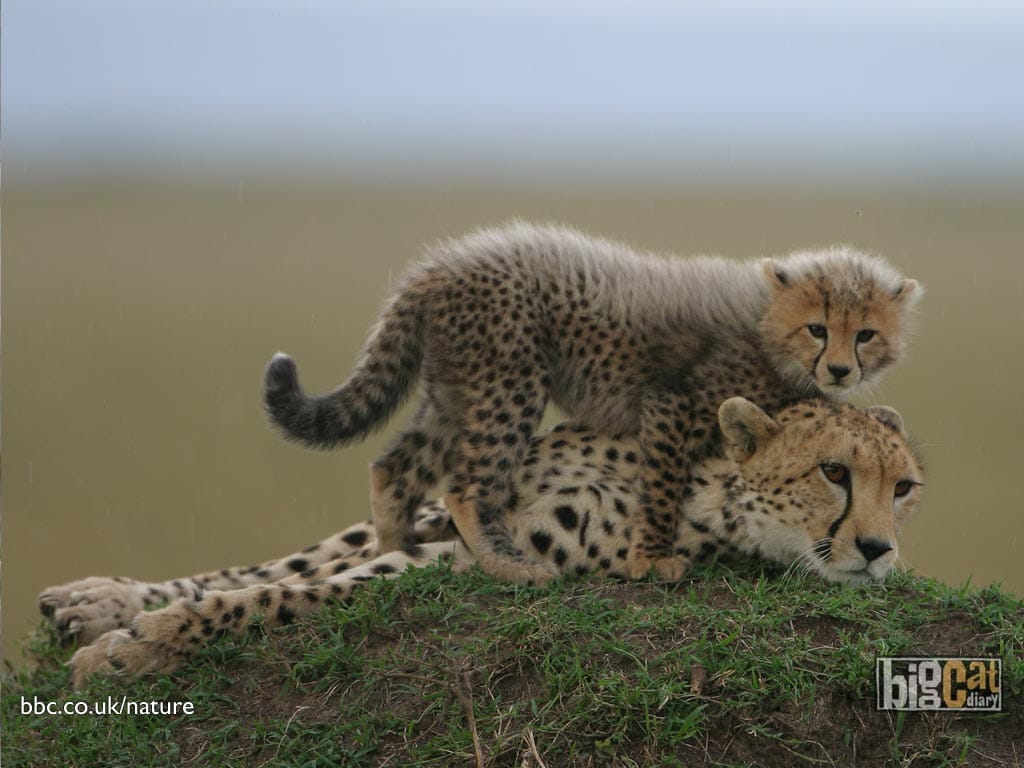
Cheetahs are specialized for running at high speeds to chase down small antelopes. Their whole bodies are adapted for running: they have deep chests for larger lungs and more oxygen flow, flexible backs to lengthen their strides, long tails that help them turn, and claws that don’t fully retract so they can grip the ground better. All of these traits help them run down their prey.
Video: https://www.youtube.com/watch?v=V8vejjVgIHg
But when did cheetahs become so fast? This new study looks at their inner ears. The inner ear doesn’t help us hear; instead, it tells us how quickly and in what direction our heads are moving. It also works with the visual system in the brain to help stabilize the head so that what we see stays steady instead of blurry.
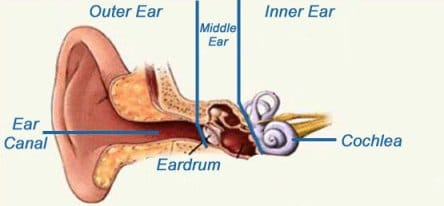
This paper used CT scanning to examine the inner ear of cheetahs, other large cats (like lions and pumas), and one species of fossil cheetah. By analyzing the size of the different parts, the authors estimated how well each cat was adapted to high-speed running. The larger the components of the inner ear, the better the cat would be at keeping its vision stable at high speeds.
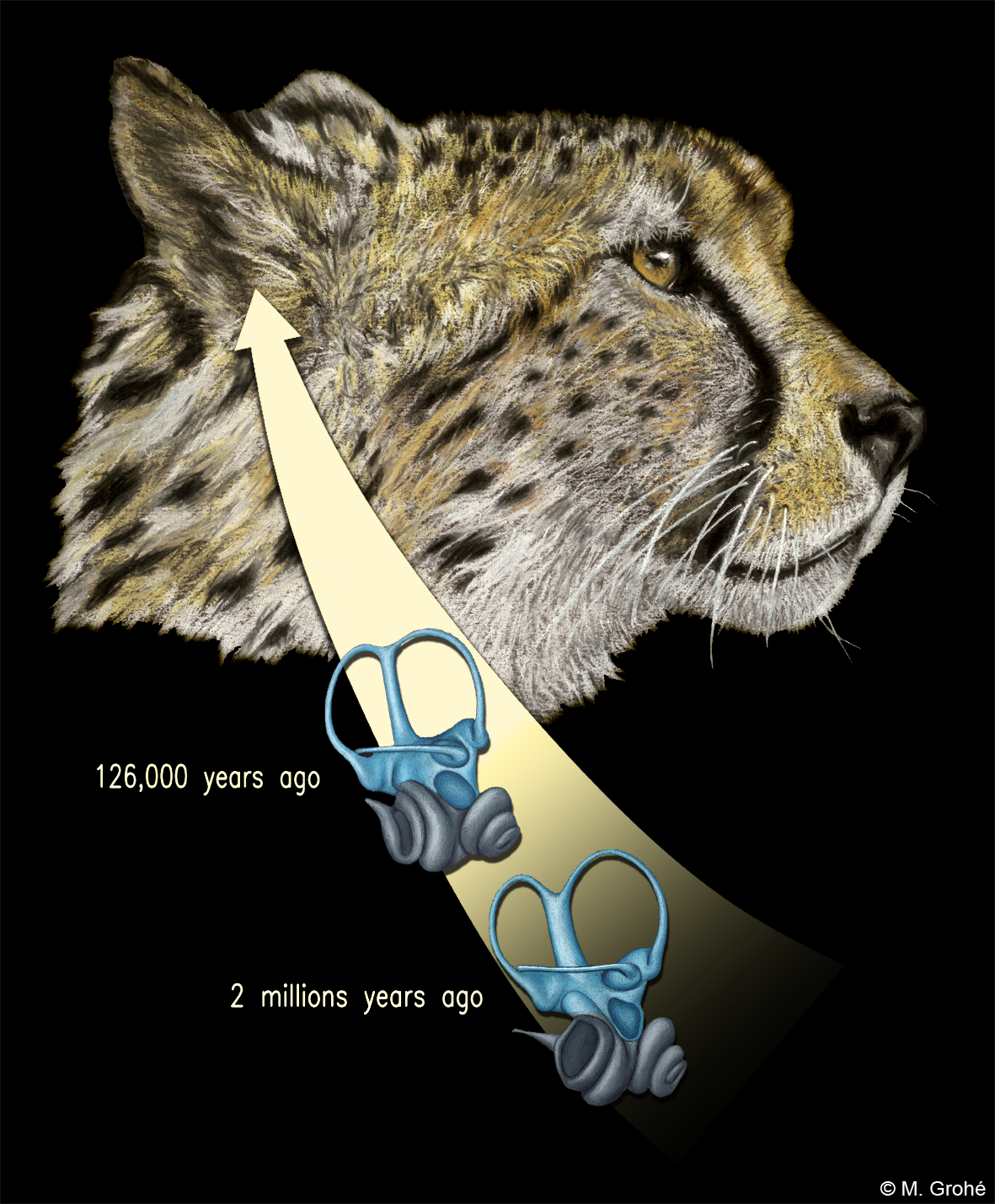
The authors found that the modern cheetah has larger inner ear components than the fossil cheetah. This suggests that the fossil cheetah was probably not specialized for high-speed running, and that high-speed chasing evolved more recently in modern cheetahs.


Comments ()