Bird Wings in Amber!
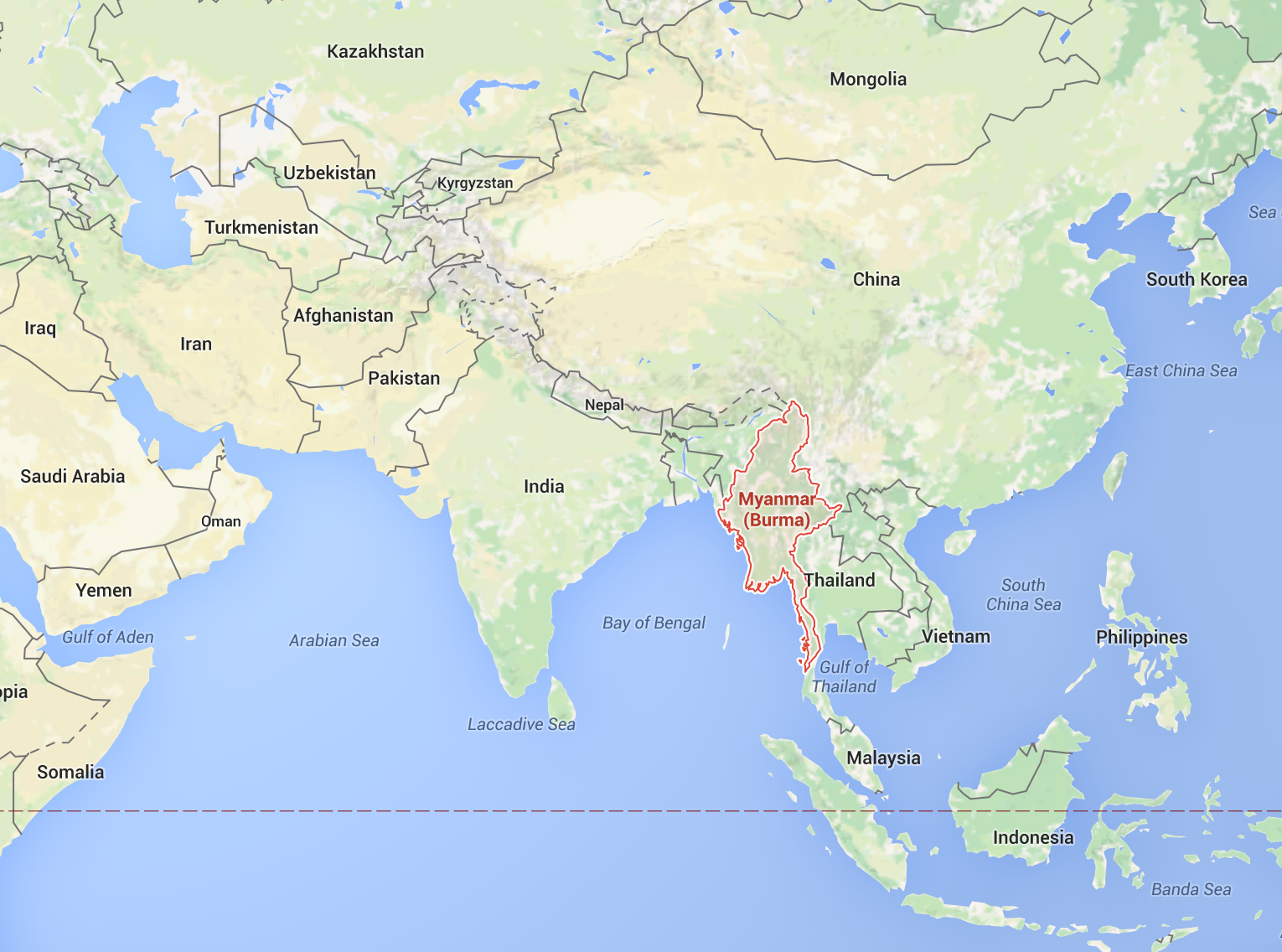
This week an exciting new article was published: two bird wings trapped in amber. The specimens were found in Myanmar.
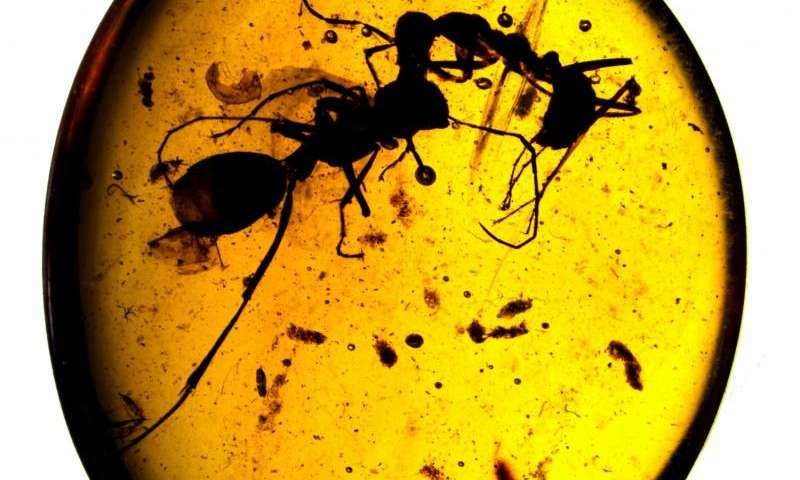
Amber forms when tree sap (resin) becomes fossilized. Anything that gets stuck in the liquid resin can be preserved in remarkable detail once it hardens and fossilizes.
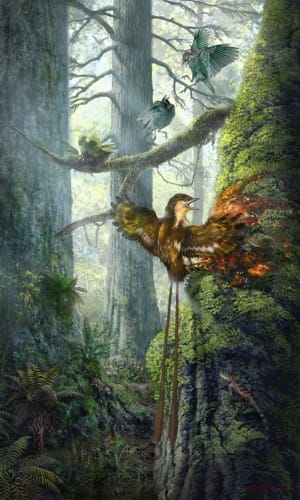
The sediments are mid-Cretaceous in age, meaning they come from the Mesozoic. The fossils consist of two partial wings and are thought to belong to enantiornithine birds. Enantiornithines were an entirely extinct group of early birds that still had teeth.
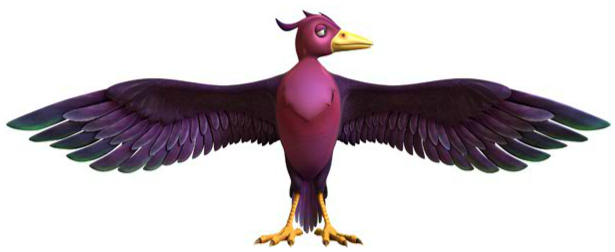
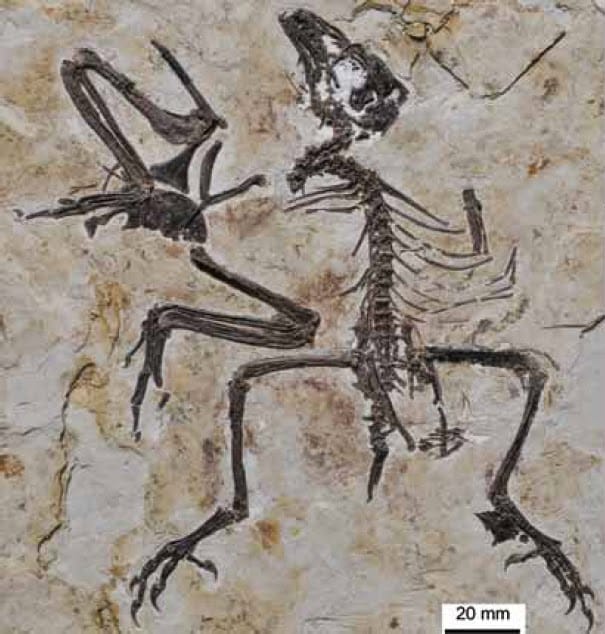
Usually, enantiornithines and other early birds are preserved completely flattened. Even when feather impressions are visible, a great deal of anatomical information is lost because the fossils are compressed.
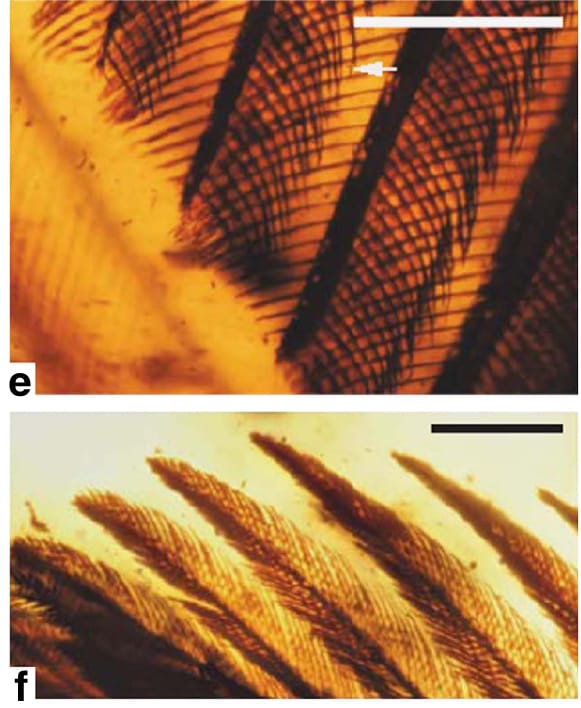
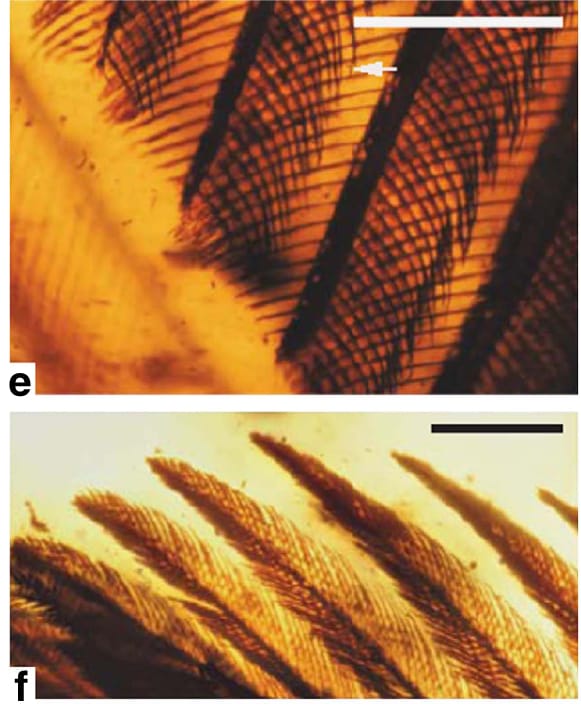
These new specimens, however, are preserved in three dimensions. The portion of the wing that became trapped in resin is completely intact.
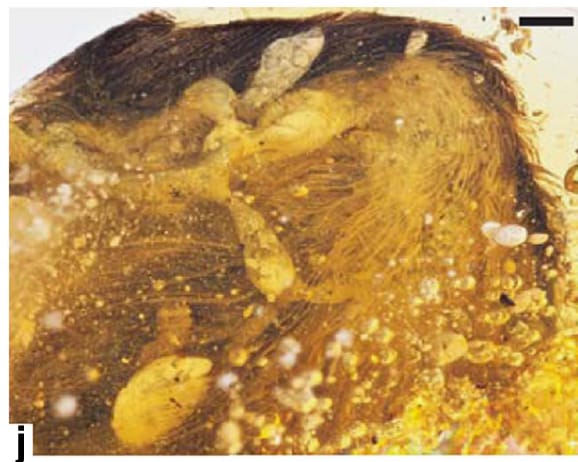
Based on bone proportions, the researchers determined that both specimens were juveniles. The feathers are very well developed, indicating that these young birds were precocial—able to move around soon after hatching. Because the feathers are so well preserved, their coloration can be inferred: brown and pale/white, likely arranged in bands across the wing.
One specimen even shows claw marks within the amber, suggesting the bird was still alive when it became trapped. The rarity and exceptional preservation of these fossils provide valuable information about feather structure and how feathers are preserved in other enantiornithines and early birds more broadly. These discoveries show that the modern arrangement of feathers was already established about 100 million years ago.


Comments ()