

A New Mesozoic Mammal from Japan

This week there was an announcement about a new mammal from the Mesozoic (around 250–65 million years ago) discovered in Japan. There isn’t yet a scientific paper describing the find, so for now I’ll just summarize what’s been reported.
The mammal is a multituberculate (mul-ti-tu-BER-cu-late). These were rodent-like mammals that lived from the Late Jurassic (153 million years ago) to the Oligocene (35 million years ago). They are unique in having many more bumps (or cusps) on their teeth than other mammals—hence the name “multituberculate,” meaning “many bumps.” One of their teeth, the premolar, is very large and forms a serrated cutting edge, like a very round steak knife.
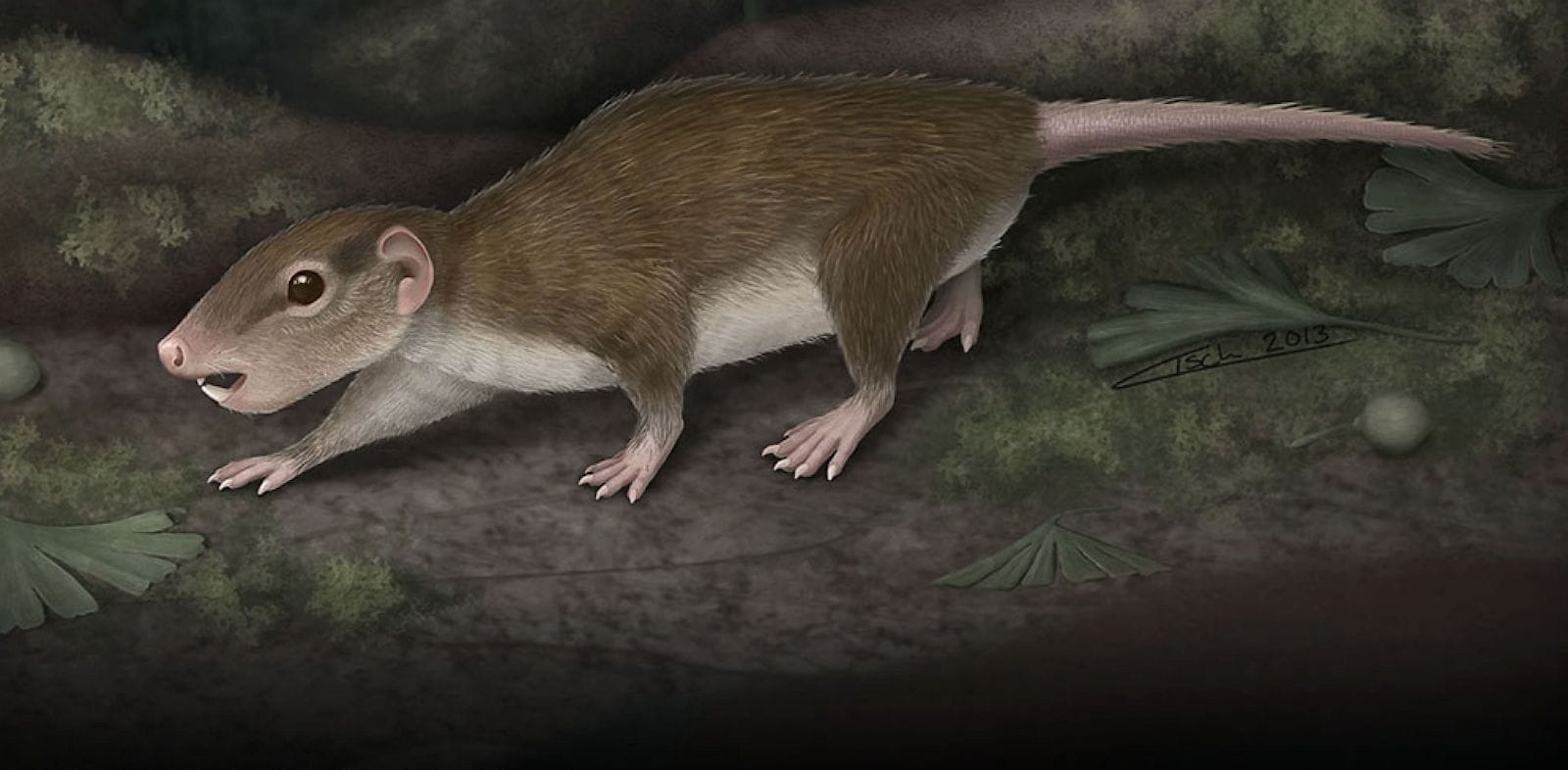
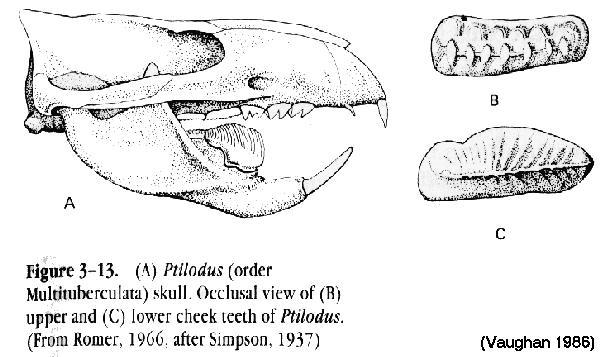
This new fossil preserves part of the skeleton. Usually, we only find teeth or partial skulls of these animals, so discovering a partial skeleton is rare and significant. It should help answer many questions about multituberculate biology.
Another interesting aspect of this discovery is that it was made by an 11-year-old boy who was participating in a fossil excavation event at Katsuyama Dinosaur Forest Park. This highlights why it’s valuable to take part in local fossil-hunting events. Anyone can find a fossil if they’re in the right place.



Comments ()