A New Look for Psittacosaurus
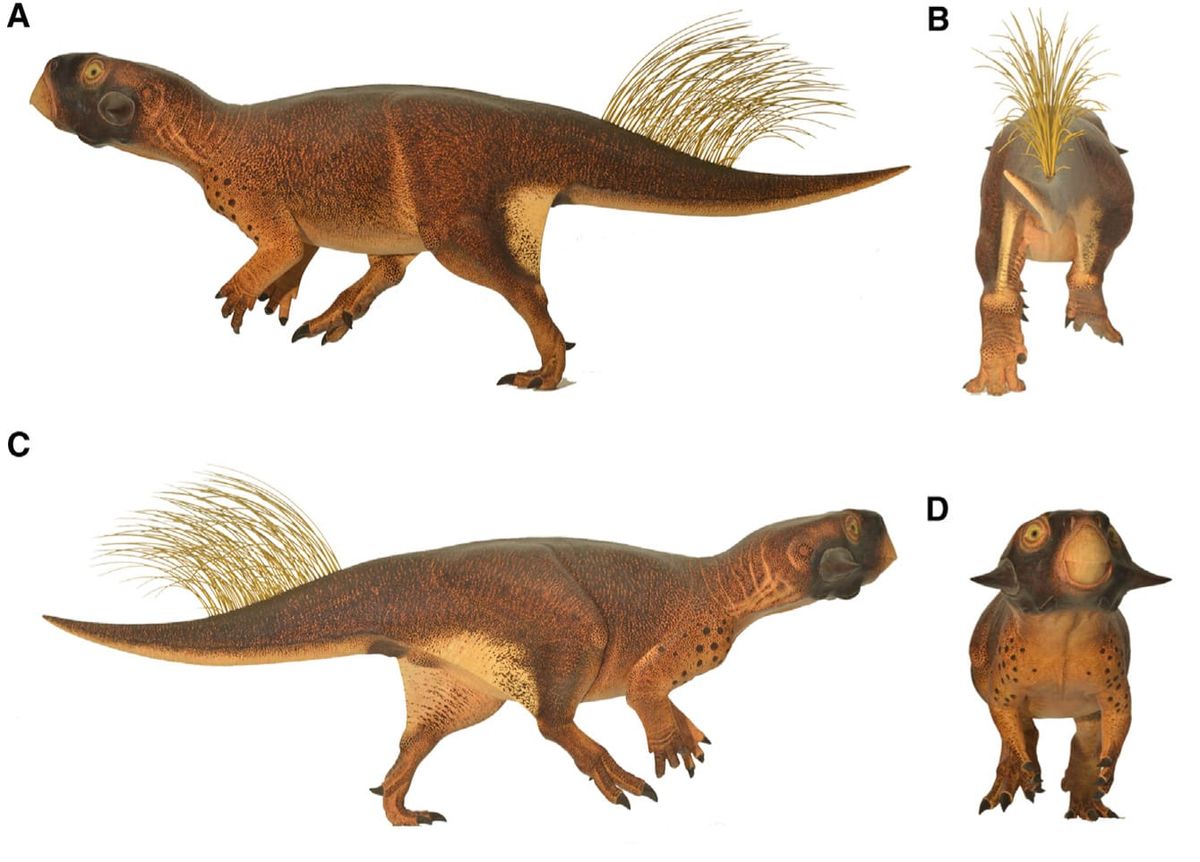
At the end of September (2016), a new look was identified for a dinosaur named Psittacosaurus. Psittacosaurus is an early member of the horned dinosaurs that lived in China in the Early Cretaceous (around 133 to 124 million years ago).
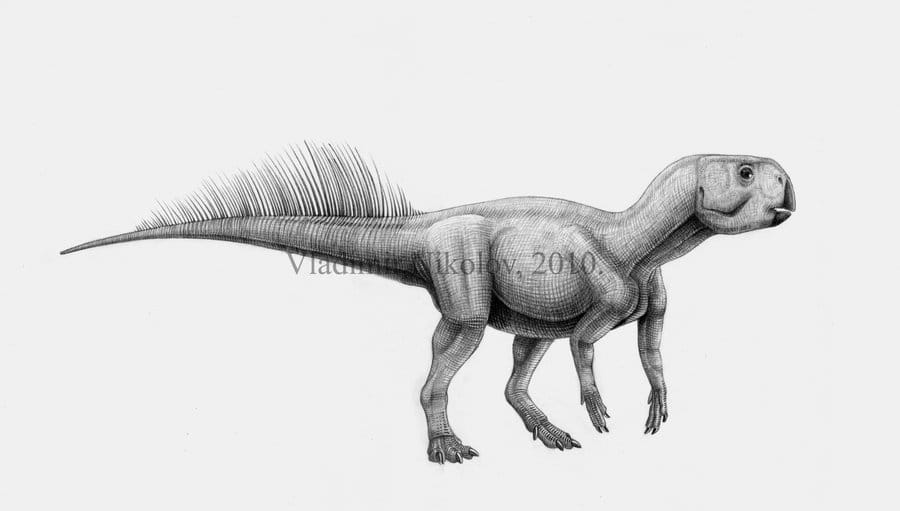
This specimen was found in the Jehol Formation of China, is relatively complete, and preserves the cells that produce scale color (called chromatophores). The specimen has been on museum display for many years and was recently re-examined by the authors of this paper. The authors wanted to know if the coloration of the specimen could tell us about the environment in which it lived.
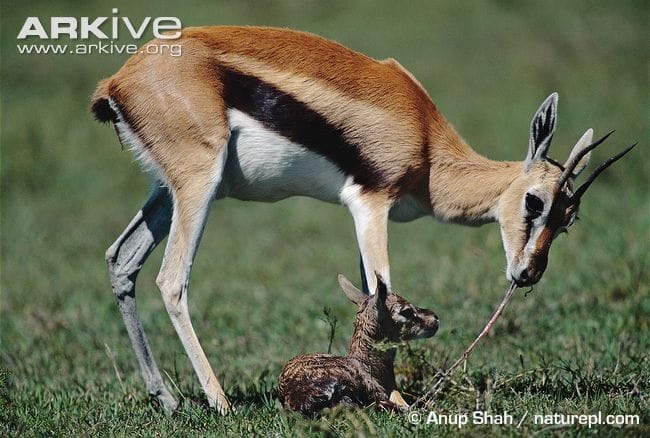
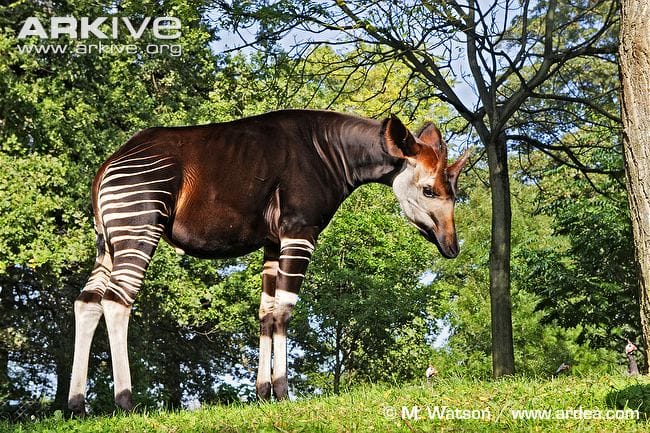
How is that possible? Many animals today use distinctive color patterns, or coloration, to camouflage themselves or to identify each other in their environments. Animals in open environments, like the plains of Africa, have sharp transitions between their dark and light colors. Animals in closed environments, like rainforests, tend to have more even coloration, with colors that change gradually. These differences help animals stay camouflaged and reduce the visible outline of their bodies against the environment. Additional features like stripes can also help confuse predators.
To answer their question, the authors created a life-size model of the animal using the most up-to-date calculations of its muscles, organs, and body volume. They placed the model outside on both sunny and cloudy days, in a field and in the woods, and photographed it under each condition. They used the shadows cast by the sun on the model to predict where scale color patterns would occur in open versus closed environments.
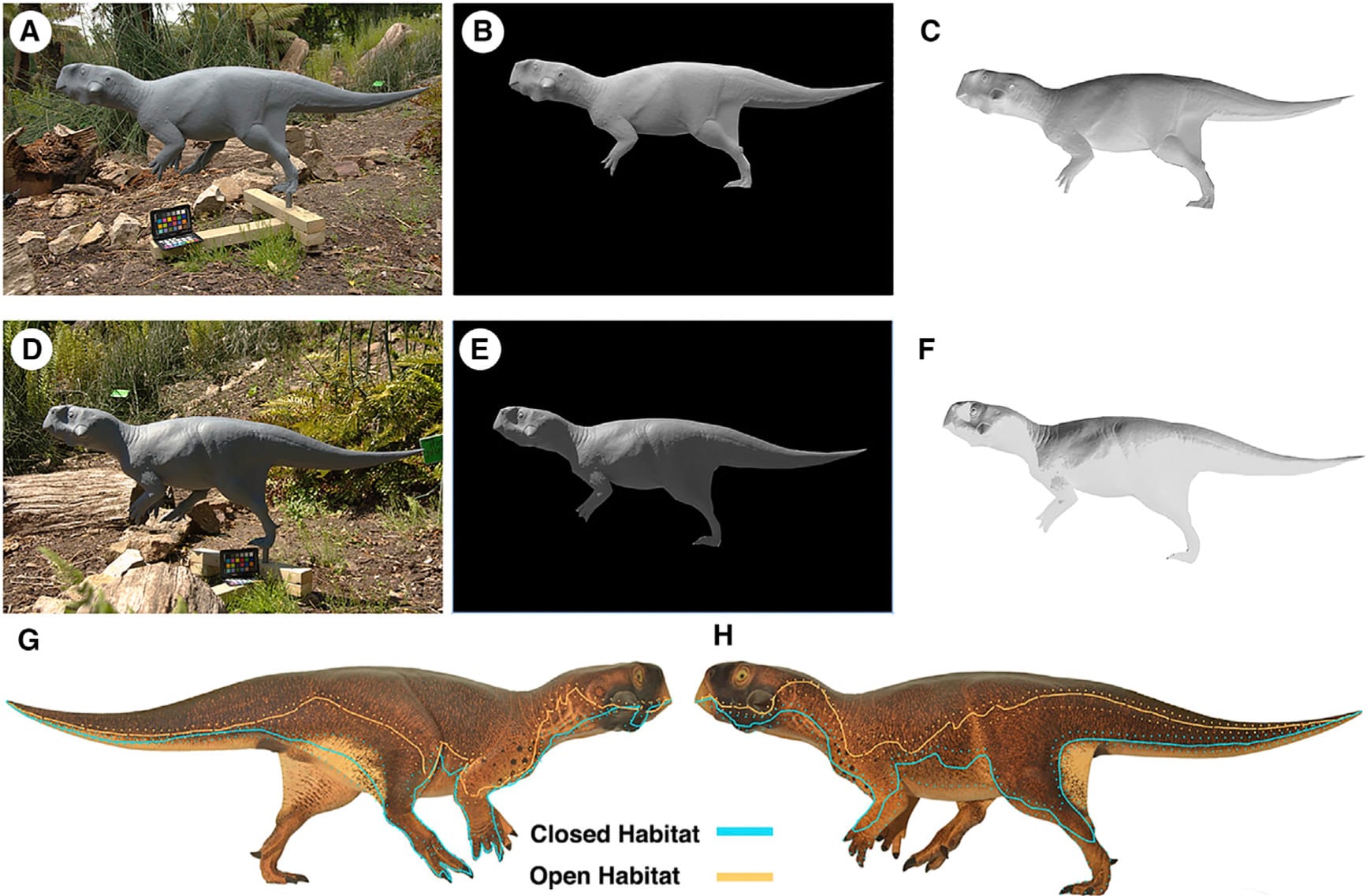
They then examined the chromatophores in the fossil and mapped the color pattern onto a computer model of Psittacosaurus. The authors found that the coloration in the fossil matches what would be expected for an animal living in a closed environment, such as a forest. A dark face may have helped reduce glare from sunlight, regulate body temperature, or signal to other Psittacosaurus individuals.
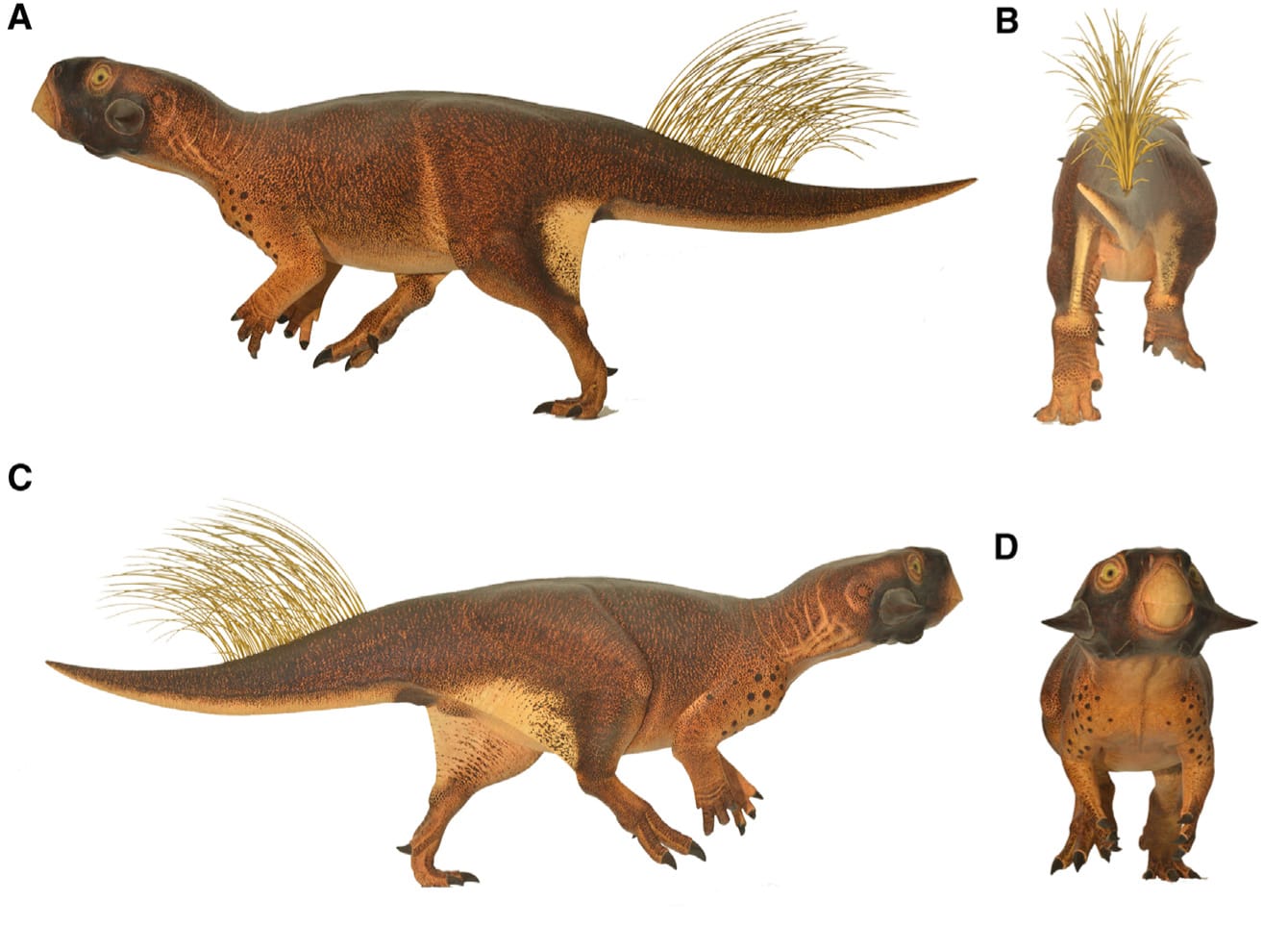
Fossil plants from the Jehol Formation confirm that the area was heavily forested during the Early Cretaceous. The evidence fits together: Psittacosaurus lived in forested environments in China during the Early Cretaceous, and its coloration likely helped it remain camouflaged from predators.

Comments ()