A New Baby Bird
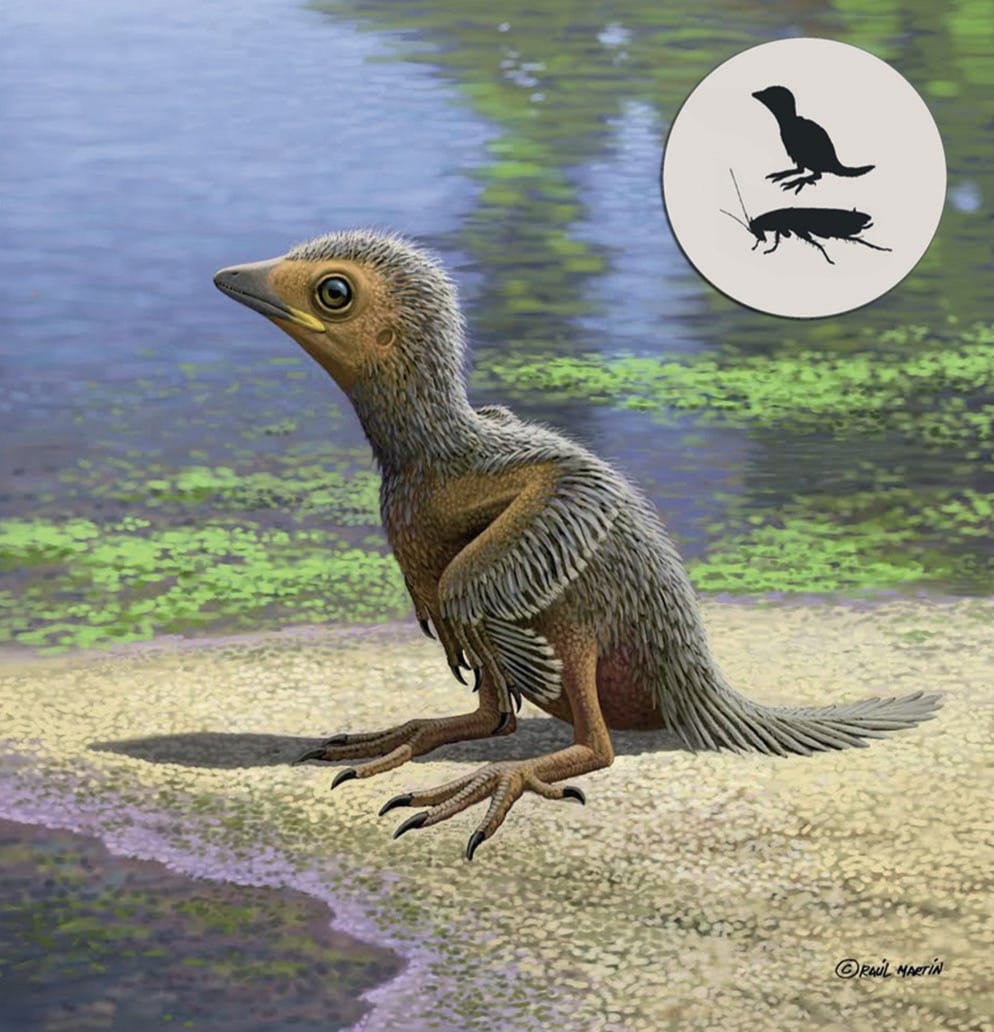
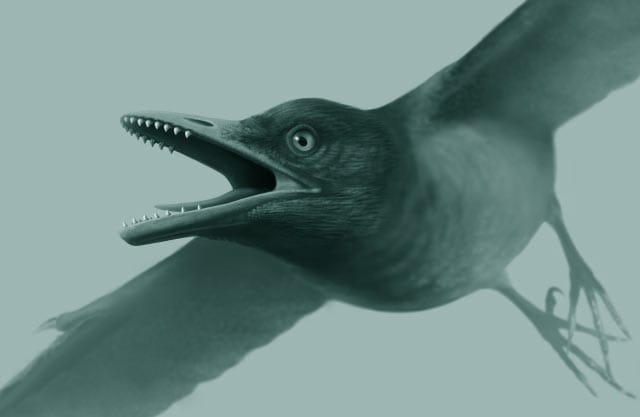
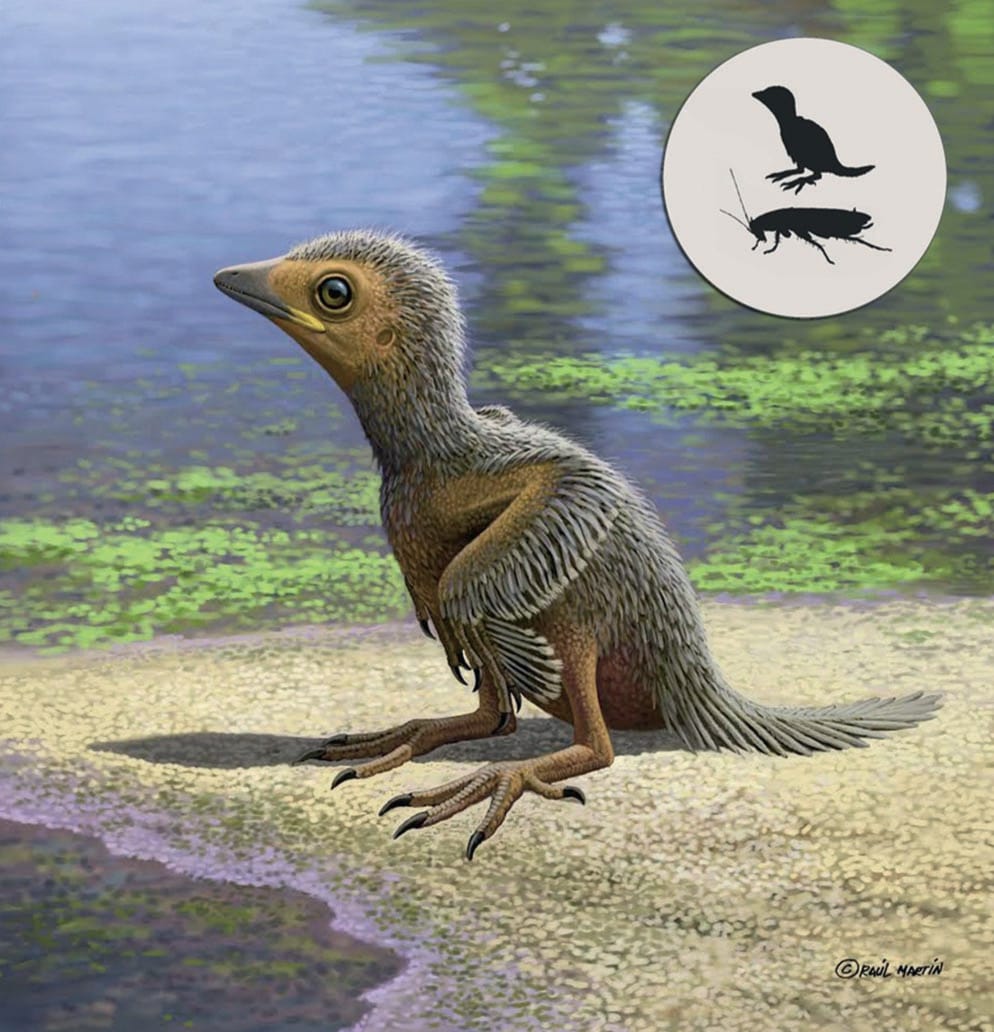
This week, a paper came out describing a new baby enantiornithine. Enantiornithines are early birds that are closely related to the birds we see today, but part of a separate group. All enantiornithines went extinct at the end of the Cretaceous.
This paper describes a fossil from the Early Cretaceous of Spain that preserves most of the skeleton. It is a remarkable specimen because it died around the time of birth. Because of its young age, it can give us a special glimpse of how the skeletons of enantiornithines developed in their lives.
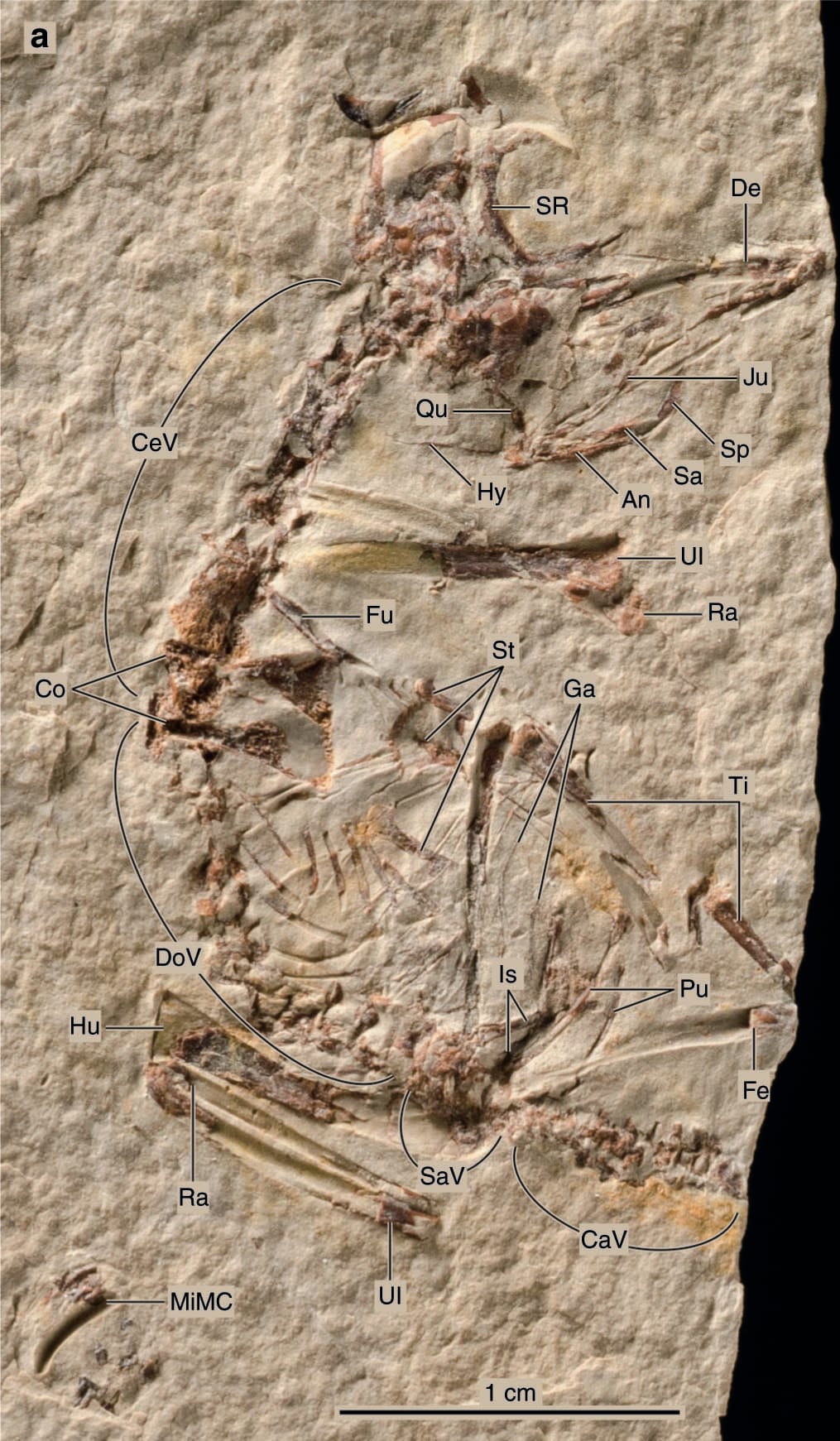
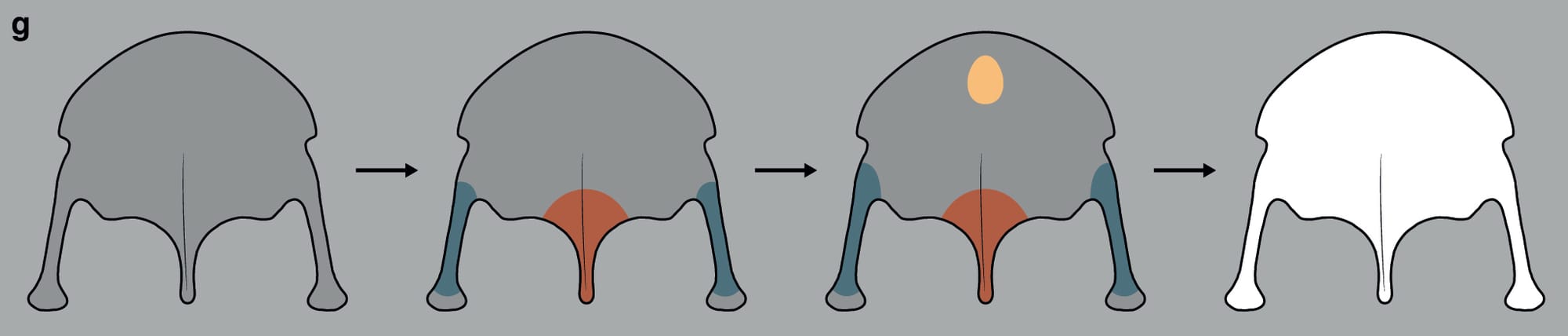
Of all the bones in this fossil, the sternum and the tail give us the most information about enantiornithine skeletons. The sternum is the large breastbone in birds that anchors the flight muscles. Enantiornithines also have a large sternum. This fossil shows that the sternum starts to ossify (or turn into bone) later than the other bones in the skeleton. It does this in a complicated pattern that is different from what we see in other enantiornithines and modern birds.
The tail in birds is usually fused into a bone called the pygostyle. In young birds, the vertebrae are still separate. This fossil has more separate vertebrae than adult enantiornithines.

Both of these characteristics are slightly different from those of other enantiornithines and modern birds. This tells us that although enantiornithines looked very similar to modern birds on the outside, they were developing their skeletons slightly differently. Ultimately, this could shed light on the different developmental strategies we see in modern birds—how some can walk or fly at hatching, while others take weeks or years to fully mature.

Comments ()